The Language
of Diamonds
Four timeless qualities.
One extraordinary brilliance.
A diamond is a considered purchase. Understanding how a natural diamond is graded — and how a ring is built around it — lets you choose your heirloom with complete confidence rather than guesswork.
What Actually Decides a Diamond
{{ o.name }}
{{ o.body }}
Read Any Certificate With Confidence
{{ cName }}
{{ cDef }}
Cut describes how effectively a diamond’s proportions and facets interact with light. For round brilliant diamonds, higher cut grades generally indicate stronger light performance.
D–F are in the colourless range, while G–J fall within the near-colourless range on the D-to-Z scale. The appearance of colour can vary with the diamond and its setting.
Clarity is assessed under 10× magnification. Whether an inclusion is visible to the unaided eye depends on its size, position, type and the diamond’s overall appearance.
Carat measures diamond weight rather than visual size. Diamonds with the same carat weight can have different face-up appearances depending on their shape and proportions.
Ten Ways a Diamond Can Be Cut
The shape of a diamond influences its character, proportions and how its brilliance is perceived. From the classic round brilliant to distinctive fancy shapes such as oval, emerald, pear and marquise, each diamond shape creates a different visual presence and works differently with jewellery settings.

The Diamond Is Half the Decision
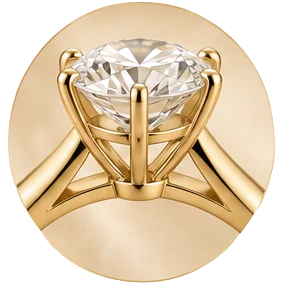
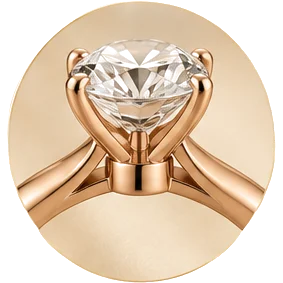
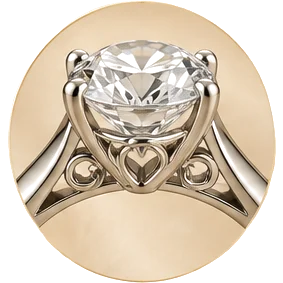
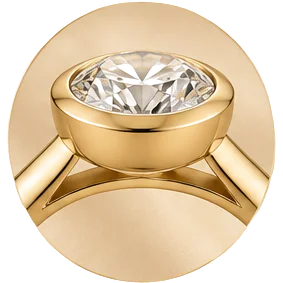
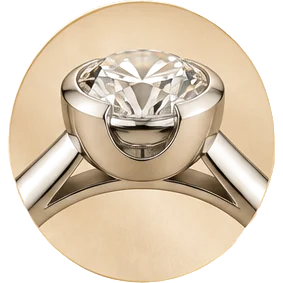
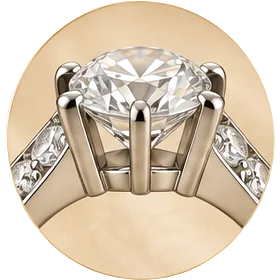
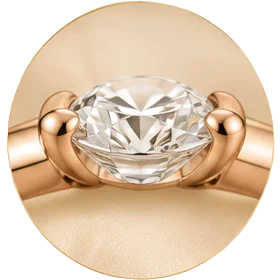
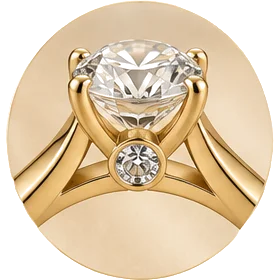
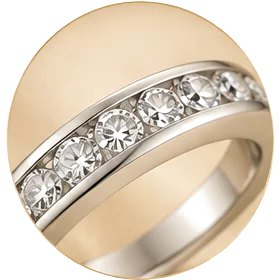
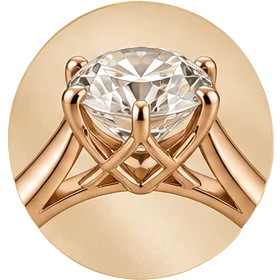
A diamond setting secures the stone while shaping the overall look of the jewellery. The right setting can influence how much light reaches the diamond, how prominent the stone appears and how the finished piece feels to wear. Common diamond settings include basket, peg head, bezel, channel, trellis and other styles suited to different designs.
Setting Styles
Gold Colours & Their Character
{{ g.name }}
{{ g.body }}
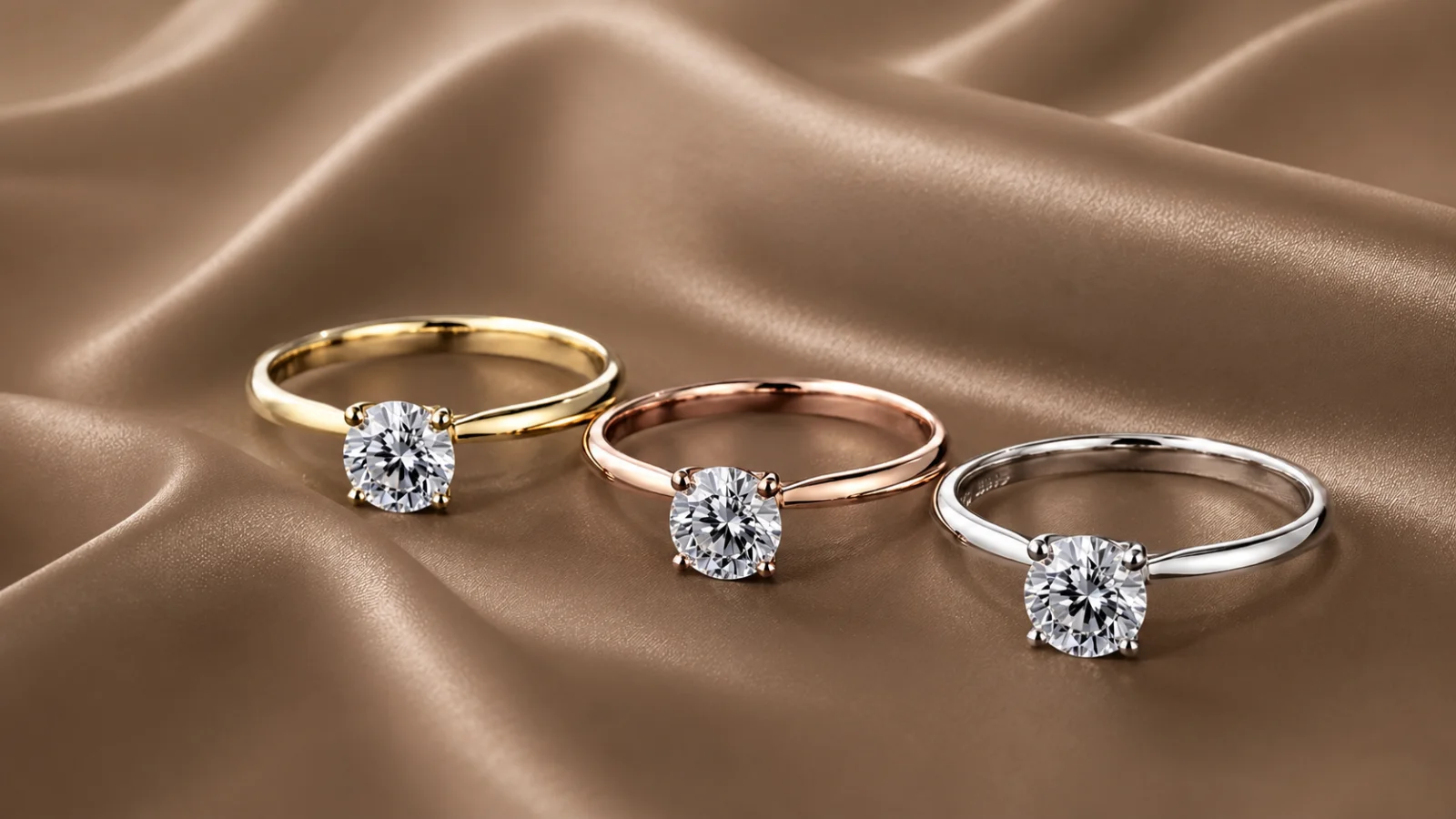
The choice of gold colour changes the overall character of a diamond jewellery piece. Yellow, rose and white gold can each create a different contrast with the diamond, so the right choice comes down to the design, the diamond and the look you want to wear.
A Billion Years in the Making
We deal exclusively in natural diamonds — formed deep within the earth, genuinely finite, and independently certified before they ever reach a setting.
{{ ct.title }}
{{ ct.body }}
Where to Spend, Where to Save
The advice we'd give a member of our own family — and the reason our customers rarely feel oversold.
{{ tp.title }}
{{ tp.body }}
Caring for Your Diamond
{{ cr.title }}
{{ cr.body }}
Your Story Begins Here
Every diamond begins with a dream. Let’s create yours.
Explore natural diamond jewellery with guidance on the 4Cs, diamond shapes, settings and gold colours. At Daivik Ratnam in Bhubaneswar, you can view certified diamonds, understand their grading and discuss a design that feels right for you.